


While we’re counting down and raising a glass, many cats experience New Year’s Eve as pure chaos. Loud bangs, flashing lights and unpredictable noises trigger their instincts. Firework anxiety isn’t being dramatic. It’s a very normal stress response in cats. Some cats hide away, others become restless, meow excessively or refuse to eat. And sometimes you only notice it afterwards, through fatigue or changes in behaviour. The better prepared you are, the calmer the evening will be for both of you.

How to recognise firework anxiety

Not every cat reacts in the same way. Common signs include:

  • Hiding or, on the contrary, becoming extremely clingy
  • Shaking, panting or dilated pupils
  • Refusing to eat or drink
  • Inappropriate urination or defecation
  • Excessive licking or scratching

Do you notice these signs more often around New Year’s Eve? Then your cat is likely suffering from firework-related stress

What can you do before New Year’s Eve?

Preparation really does make a difference.

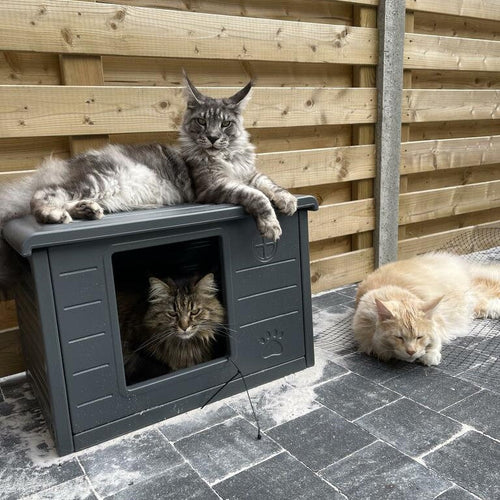
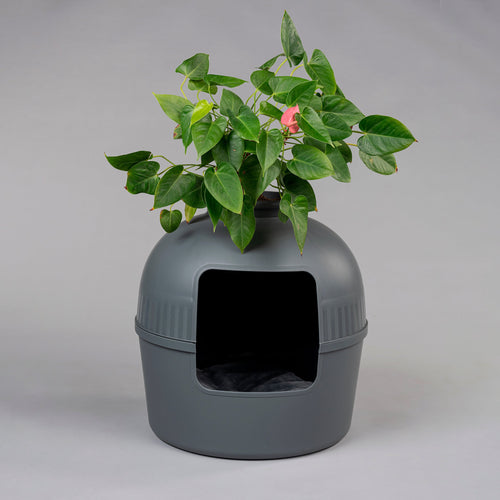
• Create a safe space: Set up a quiet room where your cat can retreat. Think of a box, basket or cupboard with familiar smells, blankets and possibly a worn item of your clothing.

• Keep your cat indoors: Bring your cat inside well before New Year’s Eve and keep windows and doors closed. Sudden fright can cause cats to bolt or get lost.

• Reduce stimuli: Close the curtains, put on soft music or the TV, and limit light flashes where possible.

• Stay calm yourself: Cats mirror your behaviour. Excessive comforting or panic can reinforce the idea that there is ‘danger’. Calm, normal behaviour provides reassurance.

What does and doesn’t help during New Year’s Eve

Do:

  • Let your cat choose where they want to be
  • Stay nearby without forcing interaction
  • peak calmly if your cat seeks contact

Doesn’t work:

  • Picking up your cat against their will
  • Punishing fearful behaviour
  • ‘Exposing’ your cat in an attempt to make them get used to it

Unfortunately, you can’t train fear away through exposure in such an extreme situation.

Do calming products help?

Some cats benefit from pheromones (such as diffusers or sprays). They don’t work for every cat, but they can help reduce stress. Always start using them well in advance: not just on 31 December. For severe anxiety, it’s wise to consult your vet. As always, these aids are sometimes only a temporary solution and don’t address the underlying issue.

Start the new year with calm and safety

Stress doesn’t always stop at 00:01. Give your cat extra calm in the days after New Year’s Eve and stick to familiar routines. If their behaviour remains different from normal, contact your vet. By preparing in advance, staying calm and keeping realistic expectations, you help your cat feel as safe as possible and get through the New Year period together more smoothly.

How does your cat react to fireworks, and what works best in your home?

Let us know in the comments!

Leave a comment

Please note, comments need to be approved before they are published.

Don't wanna miss a thing?

Sign up for our Purrs & Paws blog full of tips and inspiration for cat owners like you!