

Do you feel like your cat isn't quite themselves, but you're not sure what’s wrong? You’re definitely not alone. Many cat owners only notice vague symptoms once it’s already quite late. And because cats are experts at hiding pain, staying alert is extra important. If your cat’s behaviour changes or something just feels off, a visit to the vet is always a good idea. But with a bit of knowledge and good observation, you can catch many issues early—saving both you and your cat a lot of trouble.
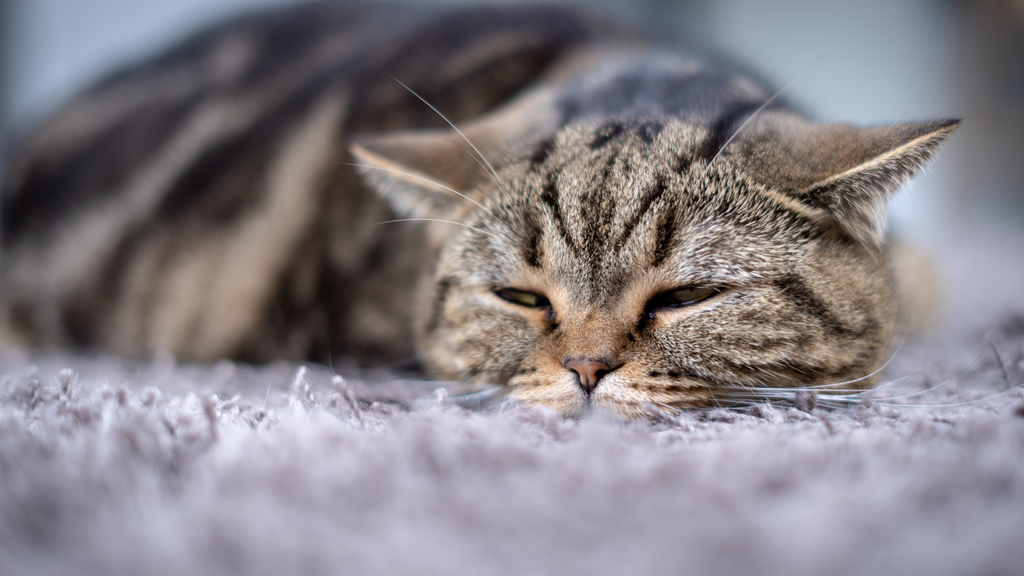
Don’t be fooled: cats are masters at hiding pain

Healthy or Not?

Before we dive into the five most common cat illnesses, let’s first check if your cat is in top condition. Do you recognise one or more of the signs below?

Checklist: Is My Cat Unwell?

  • Low energy
  • Less sociable or more withdrawn
  • Aggression or irritability
  • Loss of appetite or eating less
  • Sleeping far more than usual
  • Using the litter box irregularly or too often
  • Weight loss
  • Neglecting grooming or less frequent grooming
  • Bad breath
  • Runny nose, sneezing, or laboured breathing
  • Excessive meowing or different vocal sounds
  • Bald spots or significant hair loss

Do you notice more then 3 signs?

Then it’s time to be extra cautious

The 5 most common ilnesses:

1. Dental Issues: more common than you think

Did you know that up to 70% of cats suffer from gum disease at some point in their life? Problems like plaque, tartar, or inflamed gums often start small but can quickly escalate.

Common symptoms:

  • Bad breath
  • Reduced appetite
  • Drooling
  • Trouble eating

What can you do?

  • Have your cat’s teeth checked by the vet once a year
  • Brush their teeth weekly, can’t manage with a brush? Use a dental gel or plaque-fighting treats
  • Tip: You can also use fingertip brushes or enzyme gels that don’t require brushing

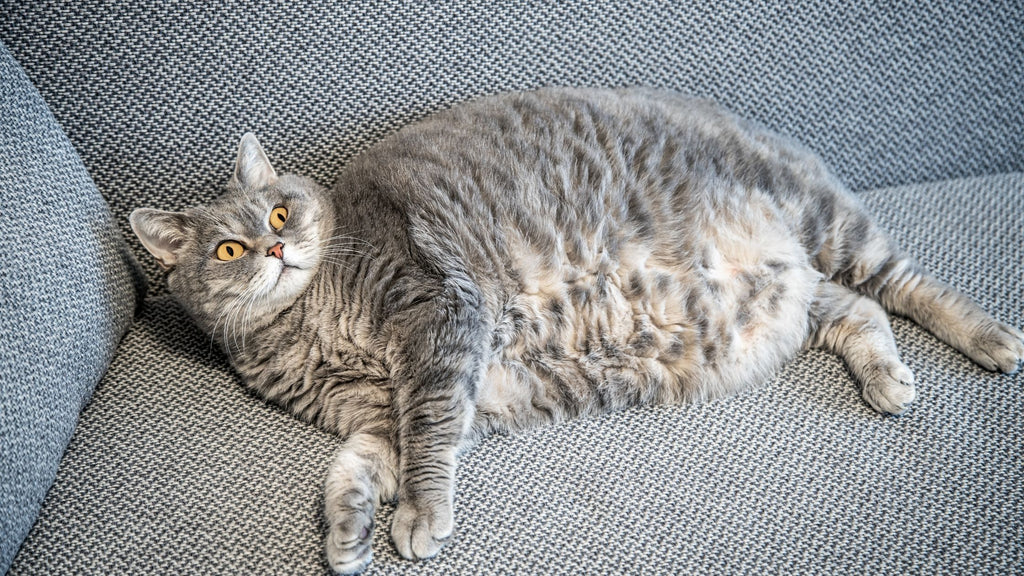
2. Obesity: A growing Issue

Around 42% of Dutch cats are overweight. This increases the risk of diabetes, arthritis, and heart problems. Thankfully, there’s plenty you can do to help.

Watch for signs like:

  • Less interest in playing
  • Struggling to jump smoothly
  • You can’t easily feel their ribs

What can you do?

  • Weigh your cat regularly (every 1–2 months)
  • Use a scoop to give measured portions
  • Choose food tailored to indoor or neutered cats
  • Encourage exercise with toys or feeding puzzles

3. Kidney Disease: the silent killer

Chronic kidney disease is common in older cats. Its symptoms are often subtle, making it hard to detect early.

Warning signs:

  • Increased thirst and urination
  • Poor appetite
  • Weight loss or dull coat

What can you do?

  • Have your cat checked annually (especially from age 7)
  • Opt for high-quality food: meat-based and low in grains
  • Provide fresh drinking water—cat fountains are great!

Dental problems can also trigger kidney disease

-Anicura

4. Colds & Cat Flu

Cat flu is highly contagious and especially common in cats that are in contact with other cats (e.g. catteries or outdoor cats).

Look out for:

  • Sneezing, watery eyes
  • Fever
  • Lethargy and low appetite

What can you do?

  • Keep vaccinations up to date
  • Avoid contact with sick cats
  • Ensure good ventilation indoors

5.  Parasites: Fleas, Worms, Ticks & Ear Mites

Not pleasant, but unfortunately, they do exist. Fleas can infest your whole house. Worms and ticks can also make your cat seriously ill.

Spot the signs:

  • Scratching or biting at fur
  • Rice-like segments near the anus (worms)
  • Ticks attached after outdoor time

What can you do?

  • Use preventative treatments (drops, tablets, collars)
  • Deworm every 3 months
  • Check regularly after outdoor contact or visits with other pets
Still unsure?

Prevention is always better than curing. With some basic knowledge, small changes, and regular check-ups, you can keep your cat healthy and happy saving you stress and vet bills.

Still in doubt? A visit to the vet is always a good idea. It’s the only way to be sure something isn’t wrong and that peace of mind is priceless.

Going on a vacation soon?

Then read our blog with the ultimate holiday checklist for your cat, so you can leave the house with a peace of mind.

Cat Sitter Options for When You’re Away

Summer’s just around the corner, and you can probably already picture yourself stretched out on a sun lounger with a cocktail in hand. But for many cat owners, there’s that nagging thought: the idea of leaving your beloved furry companion behind, or the guilt of knowing they might miss you while you’re off exploring the other side of Europe.

Fortunately, there are ways to make things as smooth and stress-free as possible—for both of you. So you can truly relax, and your cat feels safe and secure in your absence.

In this blog, you'll discover which type of cat care suits your pet best, what to look out for, and how to avoid spending your holiday worrying about your whiskered sidekick.

Leave a comment

Please note, comments need to be approved before they are published.

Don’t miss a thing!

Sign up for our Purrs & Paws newslette full of tips, inspiration, and all the cat love you could want 💖