

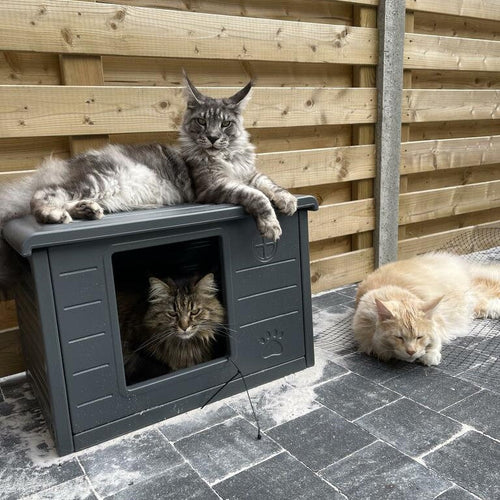


On 21 September it’s World Alzheimer’s Day: a day to reflect on one of the most impactful diseases we know. Maybe you know someone living with it and understand just how profound the effects can be. But did you know that cats can also develop dementia? In cats, it’s called Cognitive Dysfunction Syndrome (CDS), and it’s more common than you might think – especially in older cats. In this blog, we explain what CDS is, the signs you can look out for, and how you can support your cat if they’re affected.
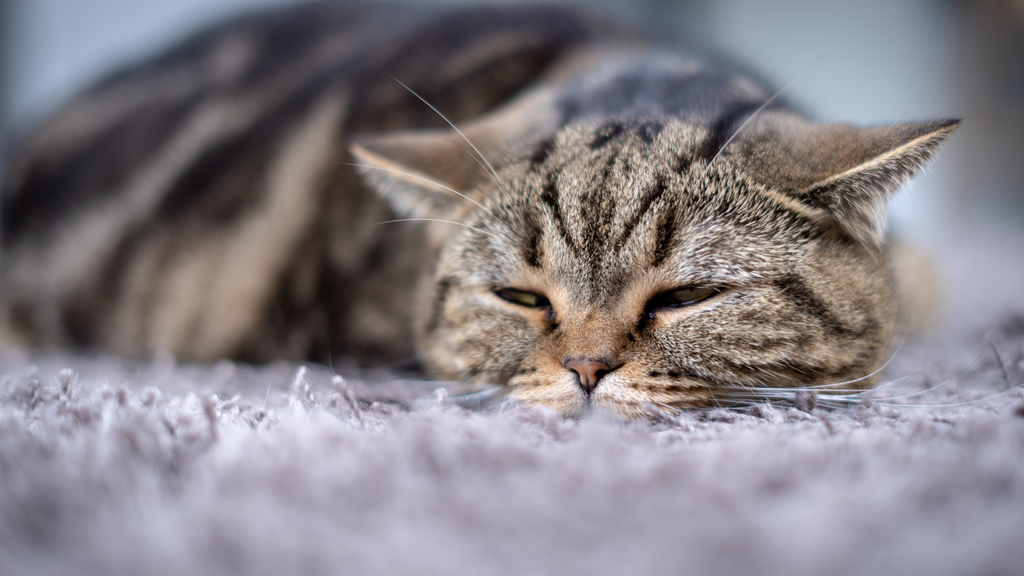
What is dementia in cats (CDS)?

Dementia in cats is comparable to what we see in human patients: brain functions slowly decline as part of the ageing process. The result? Your cat may become disoriented, forget routines, or show changes in behaviour.

Research shows that:

  • Around 30–50% of cats over 11 years old may show signs of CDS.
  • For cats over 15 years old, this can rise to as much as 80%.

It’s therefore not a rare condition, but it’s often diagnosed later on. That’s why it’s so important to keep an eye out if you suspect your cat might be showing memory problems.

The earlier you spot it, the better you can support your cat

Signs of dementia in cats

Just like dementia in humans, there’s unfortunately no cure for CDS. But there are ways to make life easier and more comfortable for your cat:

  • Stick to routines: predictability is soothing. Feed, play, and cuddle at regular times.
  • Safe environment: avoid moving furniture around too much or creating hazards. Make sure the litter tray and feeding spots are easy to reach.
  • Mental stimulation: games, food puzzles, or teaching simple tricks can keep the brain active.
  • Nutrition & supplements: special senior diets with antioxidants and omega-3s can support brain health.
  • Medical support: talk to your vet about whether medication or supplements could make a difference.

Curious about the most common cat illnesses?

Prevention is better than a cure🤍

How to Spot a Sick Cat: 5 Common Feline Illnesses (and How You Can Prevent Them)

Do you feel like your cat isn't quite themselves, but you're not sure what’s wrong? You’re definitely not alone. Many cat owners only notice vague symptoms once it’s already quite late. And because cats are experts at hiding pain, staying alert is extra important. If your cat’s behaviour changes or something just feels off, a visit to the vet is always a good idea. But with a bit of knowledge and good observation, you can catch many issues early—saving both you and your cat a lot of trouble.

How can you help your cat?

Just like dementia in humans, there’s unfortunately no cure for CDS. But there are ways to make life easier and more comfortable for your cat:

  • Stick to routines: predictability is soothing. Feed, play, and cuddle at regular times.
  • Safe environment: avoid moving furniture around too much or creating hazards. Make sure the litter tray and feeding spots are easy to reach.
  • Mental stimulation: games, food puzzles, or teaching simple tricks can keep the brain active.
  • Nutrition & supplements: special senior diets with antioxidants and omega-3s can support brain health.
  • Medical support: talk to your vet about whether medication or supplements could make a difference.

A good life with dementia

Feline dementia is a serious but often underestimated condition. By staying alert to the signs and giving your cat extra support and structure, you can greatly improve their quality of life. Always discuss all symptoms (not just the classic CDS ones) with your vet. Even with dementia, your cat can still enjoy a happy and fulfilling life thanks to your love and care.

How about your cat? Have you noticed any changes?

Let us know in the comments, we’d love to hear from you!

Leave a comment

Please note, comments need to be approved before they are published.

Don’t want to miss a thing?

Sign up for our Purrs & Paws Blog full of tips, inspiration and fun facts for cat owners like you!